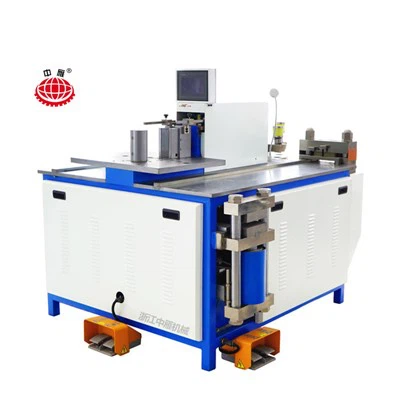
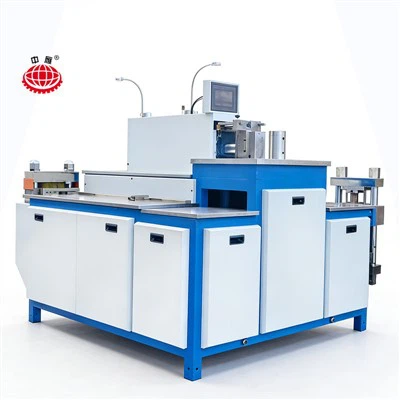
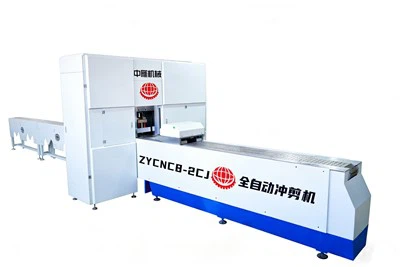
As a supplier of Bus Bar Bending Machines, I've seen firsthand how crucial it is to keep detailed maintenance records. These records not only help in ensuring the machine's optimal performance but also play a significant role in its longevity and safety. In this blog, I'll share the essential maintenance records that should be kept for a Bus Bar Bending Machine.
Regular Inspections Records
First up, regular inspections are the backbone of machine maintenance. You should document every inspection, including the date, time, and the person who carried it out. During these inspections, check for any visible signs of wear and tear, loose parts, or leaks. For example, look at the hydraulic system for any signs of fluid leakage. If you notice a small leak, it might seem insignificant at first, but it can lead to bigger problems down the road. Documenting these findings helps in tracking the machine's condition over time.
Lubrication Records
Lubrication is vital for the smooth operation of a Bus Bar Bending Machine. Keep a record of when and what type of lubricant was used. Different parts of the machine may require different types of lubricants, so it's important to note this down. For instance, the moving parts like the bending arms and the punching mechanisms need proper lubrication to reduce friction and prevent premature wear. By maintaining lubrication records, you can ensure that the machine is lubricated at the right intervals, which can extend its lifespan.
Replacement Parts Records
Over time, some parts of the Bus Bar Bending Machine will need to be replaced. Keep a detailed record of all replacement parts, including the part name, part number, date of replacement, and the reason for replacement. This information is useful for several reasons. Firstly, it helps in tracking the performance of different parts. If a particular part keeps failing, you can analyze why and take appropriate action. Secondly, it can be helpful when ordering new parts in the future. You can easily refer to the records to ensure you get the right parts.
Performance Testing Records
Periodic performance testing is essential to ensure that the Bus Bar Bending Machine is working as it should. Record the results of these tests, including the bending accuracy, punching force, and any other relevant performance metrics. If the machine's performance starts to decline, you can refer to these records to identify when the problem started and what might be causing it. For example, if the bending accuracy has decreased, you can check the records to see if there were any recent part replacements or lubrication issues.
Operator Training Records
Proper operator training is crucial for the safe and efficient operation of the Bus Bar Bending Machine. Keep records of all operator training sessions, including the date, the topics covered, and the names of the operators who attended. This helps in ensuring that all operators are properly trained and aware of the machine's safety procedures. It also provides a reference in case there are any issues related to operator error.
Incident and Repair Records
In case of any incidents or breakdowns, it's important to record the details. Note down the date, time, and description of the incident, as well as the steps taken to repair the machine. This information can be used to analyze the root cause of the problem and prevent similar incidents from happening in the future. For example, if the machine broke down due to a power surge, you can take steps to protect it from future power surges.


Calibration Records
Calibration is necessary to ensure the accuracy of the Bus Bar Bending Machine. Keep records of all calibration activities, including the date, the calibration results, and the person who performed the calibration. Regular calibration helps in maintaining the machine's precision and ensuring that it produces high-quality products.
Environmental Conditions Records
The environment in which the Bus Bar Bending Machine operates can also affect its performance. Record the temperature, humidity, and any other relevant environmental conditions. Extreme temperatures or high humidity can cause corrosion or other damage to the machine. By monitoring these conditions, you can take appropriate measures to protect the machine, such as using dehumidifiers or heaters.
Software and Firmware Updates Records
If your Bus Bar Bending Machine has software or firmware, keep records of all updates. Note down the date of the update, the version number, and any issues or improvements that were reported. Software and firmware updates can improve the machine's functionality and performance, so it's important to keep track of them.
Supplier and Warranty Information
Keep a record of the machine's supplier and the warranty details. This includes the contact information of the supplier, the warranty period, and any terms and conditions. In case of any problems with the machine, you can refer to this information to get support from the supplier.
In conclusion, keeping detailed maintenance records for a Bus Bar Bending Machine is essential for its proper operation, longevity, and safety. By maintaining these records, you can ensure that the machine is well-maintained, identify and address any issues promptly, and make informed decisions about its future.
If you're in the market for a Bus Bar Bending Machine, we've got you covered. Check out our Bus Bar Bending Machine for a reliable and efficient solution. We also offer the Busbar Cutting Punching and Bending Machine and the Single Station Vertical Busbar Bending Machine. If you have any questions or are interested in purchasing, don't hesitate to reach out for a procurement discussion.
References
- Industry best practices for machine maintenance
- Manufacturer's guidelines for Bus Bar Bending Machines