Hey there! As a supplier of Bus Bar Bending Machines, I've seen firsthand how various factors can impact the service life of these essential pieces of equipment. In this blog, I'll break down the key elements that play a role in determining how long your Bus Bar Bending Machine will last.
1. Quality of Materials
The materials used in the construction of a Bus Bar Bending Machine are crucial. High - quality steel and alloys are often used for the frame and critical components. A machine made from top - notch materials is more likely to withstand the rigors of daily use. For example, a machine with a strong and durable frame can better handle the stress of bending bus bars. On the other hand, if low - grade materials are used, the machine may start to show signs of wear and tear much sooner. Cracks, deformation, and other structural issues can occur, which will significantly reduce its service life.
2. Maintenance and Care
Regular maintenance is a no - brainer when it comes to extending the life of any machine, and Bus Bar Bending Machines are no exception. Lubrication is a key aspect. The moving parts of the machine, such as the bending arms and hydraulic cylinders, need to be properly lubricated to reduce friction. Without proper lubrication, these parts can wear out quickly, leading to malfunctions.
Cleaning is also important. Dust, debris, and metal shavings can accumulate on the machine over time. This can cause problems like jamming of moving parts or corrosion. By keeping the machine clean, you can prevent these issues and ensure smooth operation.
Another part of maintenance is checking for loose bolts and connections. Over time, the vibrations from the machine's operation can cause bolts to loosen. If these aren't tightened regularly, it can lead to misalignment and damage to the machine.
3. Operator Skill and Training
The person operating the Bus Bar Bending Machine plays a huge role in its service life. A well - trained operator knows how to use the machine correctly, which means they can avoid making mistakes that could damage the equipment. For instance, an inexperienced operator might apply too much force during the bending process, which can put excessive stress on the machine's components.


Proper training also includes understanding the machine's limitations. Every Bus Bar Bending Machine has a maximum capacity for the size and thickness of the bus bars it can bend. An operator who respects these limitations is less likely to cause damage to the machine.
4. Operating Environment
The environment in which the Bus Bar Bending Machine operates can have a big impact on its lifespan. If the machine is placed in a dirty or dusty environment, it's more likely to get clogged with debris. Humidity can also be a problem, as it can cause corrosion on the machine's metal parts.
Temperature is another factor. Extreme heat or cold can affect the performance of the machine. For example, in very cold temperatures, the hydraulic fluid in the machine may thicken, making it harder for the machine to operate smoothly. On the other hand, excessive heat can cause the components to expand and wear out faster.
5. Frequency of Use
How often the Bus Bar Bending Machine is used is an obvious factor. A machine that is used continuously for long hours every day will experience more wear and tear compared to one that is used only occasionally. If the machine is in constant use, it's important to have a more rigorous maintenance schedule to keep it in good working condition.
6. Type of Bus Bars Processed
The type of bus bars being processed can also affect the machine's service life. If you're working with very thick or hard - to - bend bus bars, the machine will have to work harder. This puts more stress on the bending components, such as the dies and the bending arms. Over time, this increased stress can lead to premature wear and damage.
7. Upgrades and Modernization
As technology advances, there are often opportunities to upgrade your Bus Bar Bending Machine. Upgrading components like the control system or the hydraulic pump can improve the machine's performance and extend its service life. For example, a more advanced control system can provide more precise bending angles, reducing the stress on the machine during operation.
Related Machines
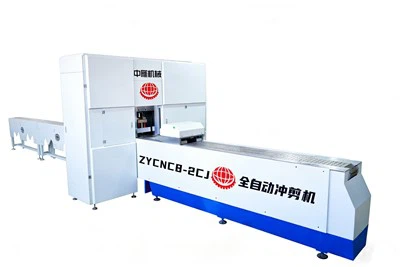
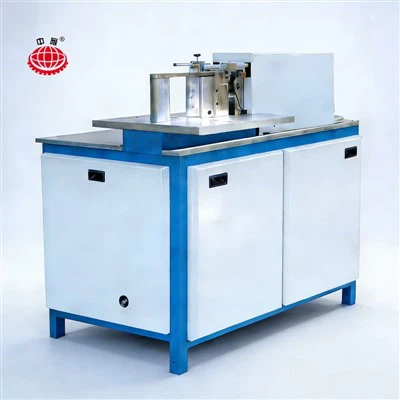
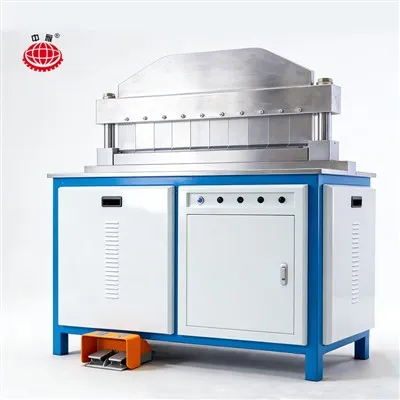
If you're in the market for bus bar processing equipment, we also offer a range of related machines. Check out our Combined Busbar Processing Machine, Standalone Busbar Shearing Machine, and Busbar Craft Processing Machine. These machines are designed to work efficiently and have a long service life when properly maintained.
Conclusion
In conclusion, the service life of a Bus Bar Bending Machine is influenced by a variety of factors. By paying attention to the quality of materials, performing regular maintenance, ensuring proper operator training, considering the operating environment, managing the frequency of use, and being aware of the type of bus bars processed, you can significantly extend the life of your machine.
If you're interested in purchasing a Bus Bar Bending Machine or any of our other related products, don't hesitate to reach out. We're here to answer any questions you may have and help you find the right machine for your needs.
References
- General industry knowledge and experience in the field of bus bar processing machines.
- Manufacturer's guidelines and specifications for bus bar bending machines.