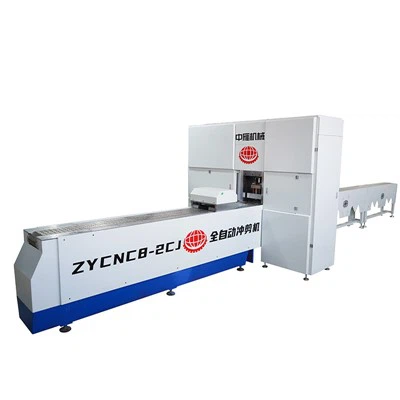
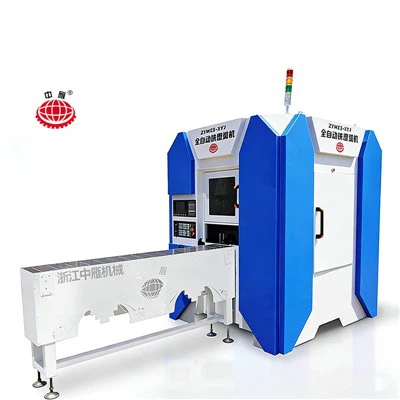
As a supplier of machining centers, I've witnessed firsthand the challenges that operators often face. Machining centers are complex pieces of equipment that combine various technologies to perform multiple machining operations with high precision. However, like any machinery, they are not immune to problems. In this blog, I'll discuss some common problems with machining centers and offer practical solutions to address them.
1. Tool Wear and Breakage
Tool wear and breakage are perhaps the most common issues in machining centers. Over time, the cutting edges of tools become dull due to friction and the high forces involved in the machining process. This can lead to poor surface finish, reduced dimensional accuracy, and even damage to the workpiece.
Causes:
- Excessive cutting speed: Running the tool at a speed that is too high for the material being machined can cause rapid wear.
- Incorrect feed rate: A feed rate that is too high can put excessive stress on the tool, leading to breakage.
- Poor tool quality: Low - quality tools may not be able to withstand the rigors of the machining process.
Solutions:
- Optimize cutting parameters: Use cutting speed and feed rate charts provided by the tool manufacturer to select the appropriate parameters for the material and tool being used. For example, when machining aluminum, a higher cutting speed can be used compared to steel.
- Regular tool inspection: Inspect tools regularly for signs of wear and replace them before they break. This can prevent damage to the workpiece and the machining center.
- Invest in high - quality tools: Although high - quality tools may be more expensive upfront, they can save money in the long run by reducing tool change frequency and improving machining quality. Our High Efficiency Busbar Processing Machine is designed to work with high - quality tools to ensure optimal performance.
2. Chip Evacuation Problems
Chip evacuation is crucial in machining operations. If chips are not removed effectively, they can accumulate around the cutting tool, causing poor surface finish, tool breakage, and even damage to the machining center.
Causes:
- Inadequate coolant supply: Coolant helps to lubricate the cutting tool and flush away chips. If the coolant supply is insufficient, chips may not be removed properly.
- Improper chip conveyor design: A poorly designed chip conveyor may not be able to handle the volume of chips generated during machining.
- Incorrect cutting parameters: Cutting at a feed rate that is too high can produce large chips that are difficult to evacuate.
Solutions:
- Ensure proper coolant supply: Check the coolant level regularly and ensure that the coolant nozzles are properly positioned to direct the coolant to the cutting area.
- Upgrade the chip conveyor: Consider upgrading to a more efficient chip conveyor that can handle the volume of chips generated by your machining operations.
- Adjust cutting parameters: Optimize the cutting parameters to produce smaller, more manageable chips. This can improve chip evacuation and reduce the risk of chip - related problems.
3. Spindle Issues
The spindle is the heart of a machining center, and any problems with it can have a significant impact on the performance of the machine.
Causes:


- Lack of lubrication: The spindle bearings require proper lubrication to operate smoothly. If the lubrication is insufficient, the bearings can overheat and wear out quickly.
- Vibration: Excessive vibration can cause damage to the spindle bearings and other components. Vibration can be caused by unbalanced tools, improper machine installation, or worn - out components.
- Overloading: Running the spindle at a load that is too high for its capacity can cause premature wear and failure.
Solutions:
- Regular lubrication: Follow the manufacturer's recommendations for spindle lubrication. Use high - quality lubricants and change them at the recommended intervals.
- Vibration analysis: Conduct regular vibration analysis to detect and correct any vibration issues. This may involve balancing the tools, adjusting the machine's leveling, or replacing worn - out components.
- Load management: Ensure that the spindle is not overloaded. Use the appropriate cutting parameters and avoid running the spindle at its maximum capacity for extended periods.
4. Control System Malfunctions
The control system of a machining center is responsible for controlling the movement of the axes, the operation of the spindle, and other functions. Malfunctions in the control system can lead to inaccurate machining and downtime.
Causes:
- Software glitches: Software bugs or errors can cause the control system to malfunction.
- Electrical problems: Loose connections, faulty wiring, or power surges can damage the control system components.
- Operator error: Incorrect programming or operation of the control system can lead to errors.
Solutions:
- Software updates: Keep the control system software up - to - date to fix any known bugs or issues.
- Electrical maintenance: Regularly inspect the electrical connections and wiring of the control system. Replace any damaged components and ensure that the power supply is stable.
- Operator training: Provide comprehensive training to operators on how to use the control system correctly. This can reduce the risk of operator - related errors.
5. Workpiece Fixturing Problems
Proper workpiece fixturing is essential for accurate machining. If the workpiece is not held securely, it can move during the machining process, leading to poor dimensional accuracy and surface finish.
Causes:
- Incorrect fixture design: A fixture that is not designed properly for the workpiece may not hold it securely.
- Loose clamping: If the clamps are not tightened properly, the workpiece can move during machining.
- Worn - out fixtures: Over time, fixtures can wear out and lose their ability to hold the workpiece securely.
Solutions:
- Optimize fixture design: Design fixtures that are specifically tailored to the workpiece. Consider factors such as the shape, size, and material of the workpiece.
- Proper clamping: Ensure that the clamps are tightened to the appropriate torque. Use torque wrenches to ensure consistent clamping force.
- Regular fixture inspection and maintenance: Inspect fixtures regularly for signs of wear and damage. Replace worn - out fixtures as needed.
Conclusion
Machining centers are powerful and versatile machines, but they can encounter various problems during operation. By understanding the common problems and implementing the appropriate solutions, operators can ensure the smooth and efficient operation of their machining centers. As a machining center supplier, we are committed to providing high - quality equipment and support to our customers. Our Busbar Craft Processing Machine and Standalone Busbar Shearing Machine are designed to meet the diverse needs of our customers and offer reliable performance.
If you are facing any issues with your machining center or are interested in purchasing a new machine, please feel free to contact us for a consultation. We are here to help you find the best solutions for your machining needs.
References
- "Machining Technology Handbook" by John T. Black
- "CNC Programming Handbook" by Steven A. Armentrout
- Manufacturer's manuals for machining centers and related equipment