In the field of electrical engineering and manufacturing, prototyping is a crucial step in the development of new products. It allows engineers and designers to test concepts, refine designs, and ensure that the final product meets the required specifications. One of the key components in many electrical systems is the busbar, a conductor that distributes electrical power. As a supplier of Combined Busbar Processing Machines, I often get asked whether these machines can be used for prototyping. In this blog post, I will explore this question in detail and explain how our machines can be a valuable asset in the prototyping process.
Understanding the Combined Busbar Processing Machine
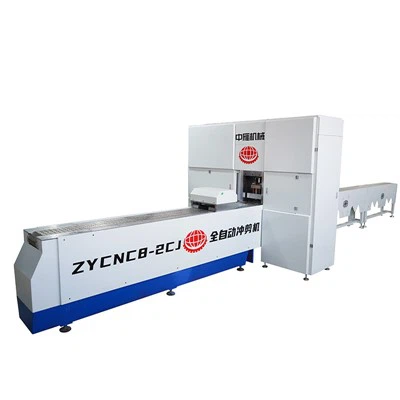
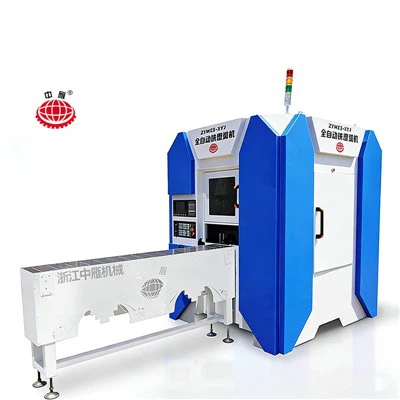
Before delving into the use of Combined Busbar Processing Machines for prototyping, it's important to understand what these machines are and what they can do. A combined busbar processing machine is a versatile piece of equipment that can perform multiple operations on busbars, such as cutting, punching, and bending. These machines are designed to handle different types and sizes of busbars, and they offer high precision and efficiency in the processing of these components.
Our company offers a range of Busbar Cutting Punching and Bending Machine that are equipped with advanced technology and features. These machines are capable of producing busbars with high accuracy and repeatability, which is essential for prototyping. They can also be customized to meet the specific requirements of different projects, making them suitable for a wide range of applications.
Advantages of Using a Combined Busbar Processing Machine for Prototyping
There are several advantages to using a combined busbar processing machine for prototyping. Firstly, these machines offer high precision and accuracy, which is crucial for creating prototypes that closely match the design specifications. The ability to cut, punch, and bend busbars with high precision ensures that the prototypes are of high quality and can be used for testing and evaluation.
Secondly, combined busbar processing machines are highly efficient. They can perform multiple operations in a single setup, which reduces the time and effort required for prototyping. This is particularly important when time is of the essence, as it allows for rapid prototyping and faster product development.
Another advantage is the flexibility of these machines. They can handle different types and sizes of busbars, which means that they can be used for a variety of prototypes. Whether you are working on a small-scale project or a large industrial application, a combined busbar processing machine can be customized to meet your needs.


The Prototyping Process with a Combined Busbar Processing Machine
The prototyping process with a combined busbar processing machine typically involves the following steps:
- Design and Planning: The first step is to design the busbar prototype based on the requirements of the project. This includes determining the dimensions, shape, and specifications of the busbar. Our team of engineers can assist you in this process, providing technical support and guidance to ensure that the design is optimized for the prototyping process.
- Material Selection: Once the design is finalized, the next step is to select the appropriate material for the busbar. The choice of material depends on factors such as electrical conductivity, mechanical strength, and corrosion resistance. Our machines can process a variety of materials, including copper, aluminum, and steel, allowing you to choose the most suitable material for your prototype.
- Machine Setup: After the material is selected, the combined busbar processing machine needs to be set up for the prototyping process. This involves programming the machine with the required cutting, punching, and bending parameters. Our machines are equipped with user-friendly interfaces that make it easy to set up and operate, even for those with limited technical knowledge.
- Processing: Once the machine is set up, the busbar can be processed according to the design specifications. The machine will perform the cutting, punching, and bending operations with high precision, ensuring that the prototype meets the required quality standards.
- Testing and Evaluation: After the prototype is completed, it needs to be tested and evaluated to ensure that it meets the design requirements. This may involve electrical testing, mechanical testing, and other types of testing, depending on the application. Our team can provide support in the testing and evaluation process, helping you to identify any issues and make the necessary adjustments.
Case Studies
To illustrate the effectiveness of using a combined busbar processing machine for prototyping, let's look at a few case studies.
Case Study 1: A Small-Scale Electrical Project
A customer was developing a new electrical device that required a custom busbar. They needed to create a prototype quickly to test the design and functionality of the device. Our combined busbar processing machine was used to create the prototype, and the customer was able to test the device within a short period of time. The high precision and efficiency of the machine allowed for rapid prototyping, which saved the customer time and money.
Case Study 2: An Industrial Application
A large industrial company was working on a new power distribution system that required a complex busbar design. They needed to create a prototype to test the performance of the system under different conditions. Our combined busbar processing machine was used to create the prototype, and the customer was able to conduct extensive testing and evaluation. The flexibility of the machine allowed for the creation of a custom busbar design that met the specific requirements of the project.
Conclusion
In conclusion, a combined busbar processing machine can be a valuable asset in the prototyping process. These machines offer high precision, efficiency, and flexibility, which are essential for creating high-quality prototypes. Whether you are working on a small-scale project or a large industrial application, our High Efficiency Busbar Processing Machine can help you to develop prototypes quickly and cost-effectively.
If you are interested in using our combined busbar processing machines for prototyping, please feel free to contact us. Our team of experts will be happy to discuss your requirements and provide you with a customized solution. We look forward to working with you to bring your ideas to life.
References
- Electrical Engineering Handbook, Third Edition, Edited by Richard C. Dorf
- Handbook of Electrical Design Details, Second Edition, By Peter Hammond