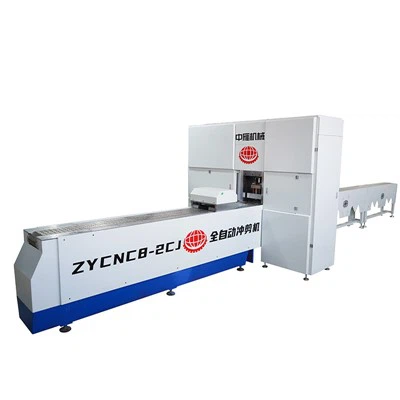
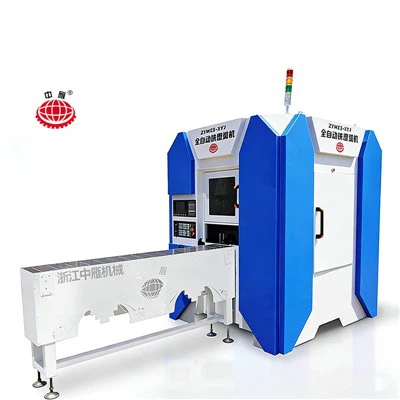
Hey there! As a supplier of CNC machining machines, I've seen firsthand how these powerful tools can revolutionize manufacturing processes. But let's be real, working with CNC machines comes with its fair share of risks. That's why it's super important to take the right safety precautions. In this blog, I'll share some key safety tips to keep you and your team safe when using a CNC machining machine.
1. Training is Key
First things first, proper training is non - negotiable. You can't just jump in and start operating a CNC machine without knowing what you're doing. Make sure all operators go through comprehensive training programs. This should cover everything from basic machine operation to understanding the control systems.
I've seen too many accidents happen because someone thought they could wing it without proper training. A well - trained operator knows how to handle the machine correctly, which reduces the risk of errors that could lead to injuries. And it's not just a one - time thing. Regular refresher courses are a must to keep skills sharp and up - to - date with the latest safety procedures.
2. Wear the Right Safety Gear
Safety gear is like your armor when working with CNC machines. You should always wear safety glasses to protect your eyes from flying debris. Trust me, a tiny metal chip can do a lot of damage if it gets in your eye. Ear protection is also crucial. CNC machines can be really noisy, and long - term exposure to that kind of noise can cause hearing loss.
Gloves are another important piece of gear, but be careful. Some gloves can get caught in the moving parts of the machine, so make sure you're using the right type. And don't forget about safety shoes. They'll protect your feet from heavy objects that might fall.
3. Keep the Workspace Clean
A clean workspace is a safe workspace. Make sure the area around the CNC machine is free of clutter. Tools, chips, and other debris can create tripping hazards. Also, keep the machine itself clean. Regularly remove chips and coolant from the work area. A dirty machine can lead to malfunctions, which can be dangerous.
I once saw a machine jam because there was too much debris in the cutting area. It not only damaged the machine but also put the operator at risk. So, make it a habit to clean up after each use and do a more thorough cleaning on a regular basis.
4. Inspect the Machine Regularly
Before you start using the CNC machine, do a quick inspection. Check for any loose parts, damaged cables, or signs of wear and tear. If you notice anything wrong, don't try to fix it yourself unless you're qualified. Instead, report it to the maintenance team.
Regular maintenance is also essential. This includes things like lubricating moving parts, checking the coolant levels, and calibrating the machine. A well - maintained machine is less likely to break down and cause an accident.
5. Follow the Manufacturer's Instructions
The manufacturer's instructions are there for a reason. They're based on years of research and testing. Make sure you read and understand all the instructions before operating the machine. This includes things like setting up the machine, programming it, and performing maintenance tasks.
If you're not sure about something, don't guess. Contact the manufacturer or a technical support person. They can provide you with the information you need to operate the machine safely.
6. Use Safety Interlocks
Most modern CNC machines come with safety interlocks. These are devices that prevent the machine from operating if certain conditions aren't met. For example, a safety interlock might prevent the machine from starting if the door is open.
Make sure these interlocks are working properly and don't try to bypass them. They're there to protect you, and disabling them can put you at serious risk.
7. Be Aware of Your Surroundings
When you're operating a CNC machine, it's easy to get focused on the task at hand. But you need to be aware of your surroundings. Keep an eye out for other people in the area. Make sure they're not too close to the machine while it's running.
Also, be aware of any potential hazards in the workspace, like electrical cords or other equipment. If something seems out of place or dangerous, take action to fix it.
8. Emergency Stop Procedures
Know where the emergency stop button is located on the machine and how to use it. In case of an emergency, you need to be able to stop the machine quickly. And make sure everyone in the workspace knows how to use the emergency stop button as well.
Regularly test the emergency stop button to make sure it's working properly. It could save someone's life in a critical situation.
9. Proper Programming
If you're programming the CNC machine, make sure you do it correctly. A programming error can cause the machine to operate in an unexpected way, which can be dangerous. Double - check your programs before running them.
It's also a good idea to do a dry run of the program without any material in the machine. This allows you to spot any potential issues before they cause a problem.
10. Handling Materials
When handling materials for the CNC machine, be careful. Some materials can be heavy or sharp. Use proper lifting techniques to avoid back injuries. And if you're working with sharp materials, wear cut - resistant gloves.
Also, make sure the materials are properly secured in the machine. If they're not, they can move during the machining process, which can lead to inaccurate cuts and potential safety hazards.
Now, if you're in the market for a high - quality CNC machining machine, we've got some great options for you. Check out our Premium Custom Open Busbar Machine, Premium Mid - Range Open Busbar CNC, and New 3 Speed Extended Open Busbar Machine. These machines are designed with safety and performance in mind.


If you're interested in purchasing any of our CNC machining machines or have any questions, don't hesitate to reach out. We're here to help you find the right machine for your needs and ensure you have all the information you need to operate it safely.
References
- General safety guidelines for industrial machinery
- Manufacturer's manuals for CNC machining machines
- Occupational Safety and Health Administration (OSHA) regulations