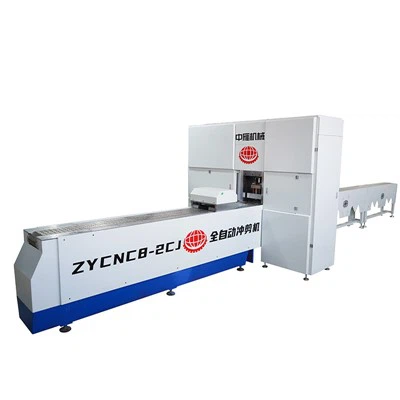
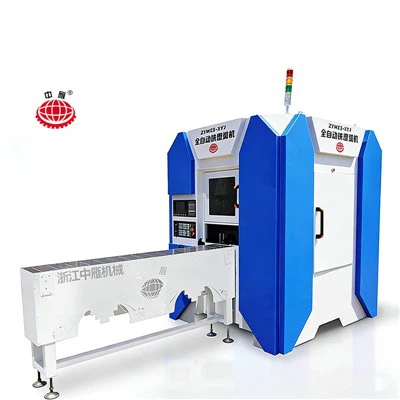
Hey there! As a supplier of Busbar Arc Milling Machines, I often get asked about the noise level of these machines during operation. It's a valid concern, especially for those who'll be using the machine for long periods or in shared workspaces. So, let's dive right into it.
Understanding Busbar Arc Milling Machines
First off, let me briefly explain what a Busbar Arc Milling Machine is for those who might not be familiar. A Busbar Arc Milling Machine is a specialized piece of equipment used in the electrical industry. It's designed to cut, shape, and mill busbars - those thick strips of copper or aluminum used to conduct electricity within switchgear, panel boards, and busway enclosures.
These machines are crucial for ensuring the precise and efficient production of busbars, and they come in different types, including the CNC Busbar Arc Milling Machine, which offers even more accuracy and automation.
Factors Affecting Noise Level
Now, let's talk about what affects the noise level of a Busbar Arc Milling Machine. There are several key factors that play a role here.
- Cutting Mechanism: The way the machine cuts the busbar is a major contributor to noise. For instance, if the machine uses a high - speed rotating cutter, it's likely to generate more noise compared to a machine with a slower - paced cutting mechanism. The interaction between the cutter and the busbar material creates vibrations, and these vibrations are what we hear as noise.
- Machine Design: The overall design of the machine also matters. A well - designed machine with proper sound insulation and vibration dampening features will produce less noise. On the other hand, a poorly designed machine may allow more noise to escape. For example, if the housing of the machine is not sealed properly, the noise generated inside can easily spread to the surrounding environment.
- Material Being Milled: Different materials have different hardness and density, which can affect the noise level. Milling a harder material like thick copper busbars may produce more noise than a softer aluminum one. The cutter has to work harder to break through the material, resulting in louder vibrations.
Typical Noise Levels
So, what kind of noise levels can you expect from a Busbar Arc Milling Machine? Well, it can vary quite a bit depending on the factors I mentioned earlier.
In general, during normal operation, a Busbar Arc Milling Machine can produce noise levels ranging from 70 to 90 decibels (dB). To put that in perspective, 70 dB is about as loud as a vacuum cleaner, while 90 dB is similar to the noise level of a lawn mower.
If the machine is operating at a high speed or milling a particularly hard material, the noise level could potentially exceed 90 dB. Prolonged exposure to noise levels above 85 dB can cause hearing damage, so it's important to take appropriate safety measures.
Measuring Noise Levels
If you're curious about the exact noise level of a particular Busbar Arc Milling Machine, you can measure it using a sound level meter. These are relatively inexpensive and easy - to - use devices.
To get an accurate measurement, place the sound level meter at a distance of about one meter from the machine and at ear - level. Take multiple readings at different points around the machine to account for any variations in noise distribution.
Reducing Noise Levels
As a supplier, we understand the importance of reducing noise pollution in the workplace. That's why we've taken several steps to minimize the noise levels of our Busbar Arc Milling Machines.
- Advanced Design: Our machines are designed with state - of - the - art sound insulation and vibration dampening materials. This helps to contain the noise generated inside the machine and prevent it from spreading to the surrounding area.
- Quality Components: We use high - quality cutting components that are precision - engineered. These components reduce the amount of vibration and noise produced during the cutting process.
- Regular Maintenance: Proper maintenance of the machine is also crucial for reducing noise. We provide detailed maintenance instructions to our customers, including how to lubricate the moving parts and replace worn - out components. A well - maintained machine will operate more quietly and efficiently.
Comparing with Other Equipment
It's also interesting to compare the noise level of a Busbar Arc Milling Machine with other similar equipment in the electrical processing industry. For example, a CNC Bus Bar Bender typically produces less noise. The bending process is generally less noisy than the milling process because it doesn't involve the same high - speed cutting and material removal.
However, both machines are important for the production of electrical components, and the choice between them depends on the specific requirements of the job.
Importance of Noise Consideration
Considering the noise level of a Busbar Arc Milling Machine is not just about comfort. It has significant implications for the health and safety of the operators. As I mentioned earlier, prolonged exposure to high - noise levels can lead to hearing loss and other health problems.
In addition, excessive noise can also affect the productivity of the workers. It can be distracting, making it difficult for them to concentrate on their tasks. By choosing a machine with a lower noise level, you can create a safer and more productive work environment.
Contact for Purchase
If you're in the market for a Busbar Arc Milling Machine and want to learn more about our products, including their noise levels, feel free to reach out to us. We're always happy to answer your questions and provide you with detailed information about our machines. Whether you need a standard machine or a customized solution, we've got you covered. Let's start a conversation about how our Busbar Arc Milling Machines can meet your needs.


References
- General knowledge of electrical processing equipment and noise measurement in industrial settings.
- Manufacturer's specifications and technical data for Busbar Arc Milling Machines.