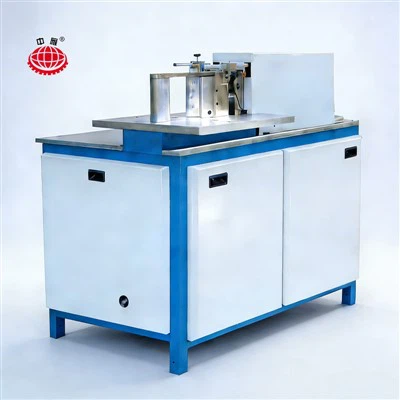
Hey there! As a supplier of the CNC Busbar Arc Milling Machine, I often get asked about how to adjust the milling depth of this awesome piece of equipment. Today, I'm gonna share some tips and tricks on this topic to help you get the most out of your machine.
Why Adjusting Milling Depth Matters
Before we dive into the how - to, let's talk about why adjusting the milling depth is so important. The right milling depth can ensure the quality of the busbar processing. If the depth is too shallow, the arc milling might not be deep enough, and the busbar won't meet the required specifications. On the other hand, if the depth is too deep, it could damage the busbar or even the milling cutter. So, getting the depth just right is crucial for efficient and high - quality production.
Tools You'll Need
First things first, you need to have the right tools on hand. You'll need a depth gauge, which is a simple but essential tool for measuring the milling depth accurately. You might also need a set of wrenches to make any necessary adjustments to the machine.
Step - by - Step Guide to Adjusting Milling Depth
Step 1: Prepare the Machine
Make sure the CNC Busbar Arc Milling Machine is turned off and unplugged. This is a safety measure to prevent any accidents while you're making adjustments. Check the milling cutter to ensure it's in good condition and properly installed. A dull or damaged cutter can affect the milling depth and the overall quality of the work.
Step 2: Set the Initial Depth
Use the depth gauge to measure the current milling depth. If you're starting a new project, you'll need to set an initial depth based on the requirements of the busbar. For example, if you're working on a busbar for a specific electrical application, the design might specify a certain milling depth. Set the depth on the machine according to this requirement.
Step 3: Make Fine Adjustments
Once you've set the initial depth, it's time to make some fine adjustments. Start the machine and run a test piece. After the test, measure the actual milling depth on the test piece using the depth gauge. If the depth is too shallow, you'll need to increase the depth setting on the machine. If it's too deep, decrease the setting.
Step 4: Use the CNC Control System
Most CNC Busbar Arc Milling Machines come with a CNC control system. This system allows you to program the milling depth precisely. You can input the desired depth values into the control panel, and the machine will automatically adjust to the specified depth. This is a very convenient and accurate way to control the milling depth, especially for large - scale production.
Step 5: Check and Repeat
After making the adjustments, run another test piece and measure the depth again. Keep repeating this process until you achieve the desired milling depth. It might take a few tries to get it just right, but patience is key here.


Factors Affecting Milling Depth
There are several factors that can affect the milling depth. The type of material of the busbar is one of them. Different materials, such as copper, aluminum, or steel, have different hardness levels, which can influence how easily the milling cutter can penetrate the material. For example, copper is relatively soft, so you might need to adjust the milling depth differently compared to steel.
The speed of the milling cutter also plays a role. A higher cutter speed can sometimes result in a different milling depth compared to a lower speed. You need to find the right balance between the cutter speed and the milling depth to get the best results.
Troubleshooting Common Issues
Sometimes, you might encounter some issues when adjusting the milling depth. For example, if the milling depth is inconsistent, it could be due to a problem with the cutter or the machine's alignment. Check the cutter for any signs of wear or damage. If the cutter is worn out, replace it with a new one. Also, make sure the machine is properly aligned. A misaligned machine can cause uneven milling depths.
If you're having trouble getting the desired depth, it could be because the machine's settings are not calibrated correctly. Refer to the machine's manual to check the calibration settings and make any necessary adjustments.
Other Related Equipment
If you're in the business of busbar processing, you might also be interested in other related equipment. For example, the Punch Shear Machine is a great addition to your workshop. It can be used for punching holes and shearing busbars, which are common operations in busbar processing.
Another interesting option is the Busbar End Arc Milling CNC. This machine is specifically designed for arc milling the ends of busbars, and it can provide more precise and efficient processing.
Conclusion
Adjusting the milling depth of a CNC Busbar Arc Milling Machine is an important skill for anyone in the busbar processing industry. By following the steps and tips I've shared, you can ensure that you get the right milling depth every time. Whether you're a small - scale workshop or a large - scale manufacturing plant, having the ability to adjust the milling depth accurately can improve the quality of your products and increase your production efficiency.
If you're interested in purchasing a CNC Busbar Arc Milling Machine or any of our other products, feel free to reach out to us. We're always here to help you with your busbar processing needs. Let's work together to take your busbar processing to the next level!
References
- Manufacturer's manual of the CNC Busbar Arc Milling Machine
- Industry standards for busbar processing